Everything and Everyone has a History



Title
Chart Your Own Path
Our program empowers you to explore your interests and passions within history and gives you the flexibility to pair the major with advanced language study, internships, study abroad experiences, undergraduate research, and community engagement.
Black Music
From African spirituals to Beyoncé, you’ll answer “What really is Black music?”
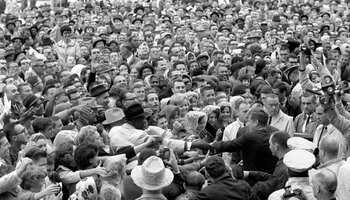
The President and the People
A chronological survey of the US presidency that examines individual presidents and the times in which they lived.

A History of Everything: The Big Bang to Big Data
Explore different scales of time and place human history in larger geological, ecological, and cosmic contexts.

Constructing Race in America
Explores the complex and intricate pursuit of multiracial and multicultural democracy.
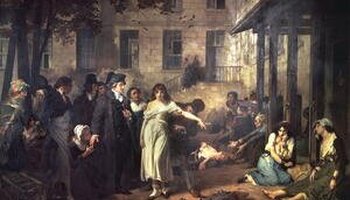
Madness and Modern Society
Learn how the diagnosis and treatment of "madness" in its many forms has been shaped through the interaction of social, political, economic, and cultural factors from roughly 1750 to the 1990s.
Title
Conduct Your Own Research
Research is embedded in the history curriculum with an emphasis on transforming students from consumers of history to critical producers of it. All students have access to the resources of the second largest university library in the country.
Calendar
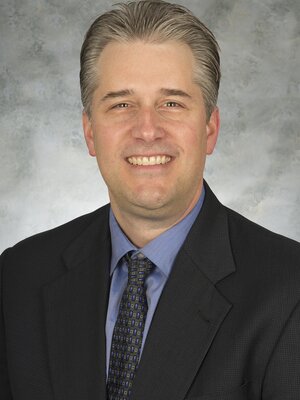
Alumni Spotlight: Chad Kahl (1993)
Chad is an Associate Dean at Illinois State University’s Milner Library. In that role, he administers the Public Services unit that provides collection development, government documents, instruction, reference and research services, and subject librarian services and the Information Technology unit.